
Representative Industry Deployment Cases
Cases span the five core processes of cotton spinning / weaving / dyeing & finishing / apparel / home textiles, plus plastic woven and control-board manufacturing. On this page they are grouped by h2 headings: Weaving / Dyeing & Finishing / PP Woven Bags / Control-Board Factory Inspection & Traceability. All customer identities are anonymized under authorization, and all performance figures include their measurement basis.
Customer information is displayed in anonymized form with authorization. All performance figures are joint conclusions from typical-scenario estimates and Zhisuo Zhikong's internal simulation validation; actual deployment results vary with on-site operating conditions, organizational process maturity and data collection discipline, and do not constitute commercial commitment terms (actual terms are subject to contract provisions and acceptance criteria).
Weaving Industry · Water-Jet / Air-Jet Loom Scenarios
Covering representative water-jet and air-jet weaving clusters in East China, with two typical deployment combinations: standalone warp breakage detection retrofits and warp breakage detection integrated with textile MES.
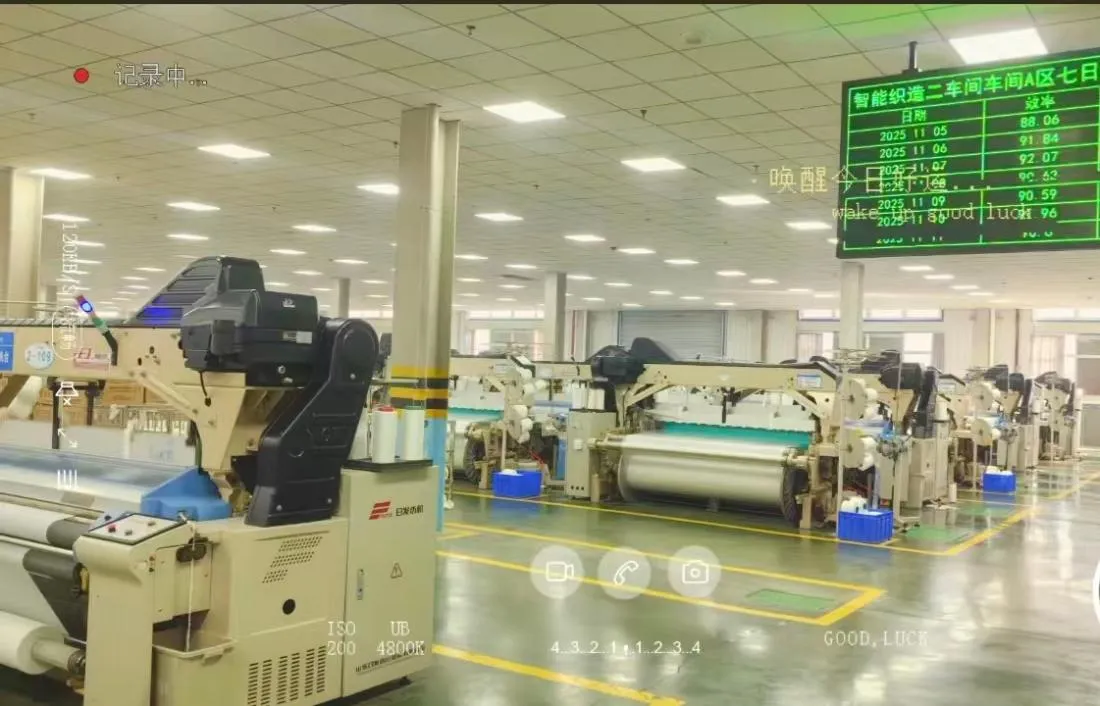
A Medium-Sized Weaving Group in East China · Warp Breakage Detection Retrofit on Hundreds of Water-Jet Looms
Non-contact light-beam warp breakage detection devices were retrofitted onto the site's mainstream water-jet looms, with LoRa gateways returning data to backend systems, replacing traditional corrosion-prone drop wires. Textile MES dashboards provide team-level warp breakage event statistics and root cause analysis.
Customer information is displayed in anonymized form with authorization. All performance figures are joint conclusions from typical-scenario estimates and Zhisuo Zhikong's internal simulation validation; actual deployment results vary with on-site operating conditions, organizational process maturity and data collection discipline, and do not constitute commercial commitment terms (actual terms are subject to contract provisions and acceptance criteria).
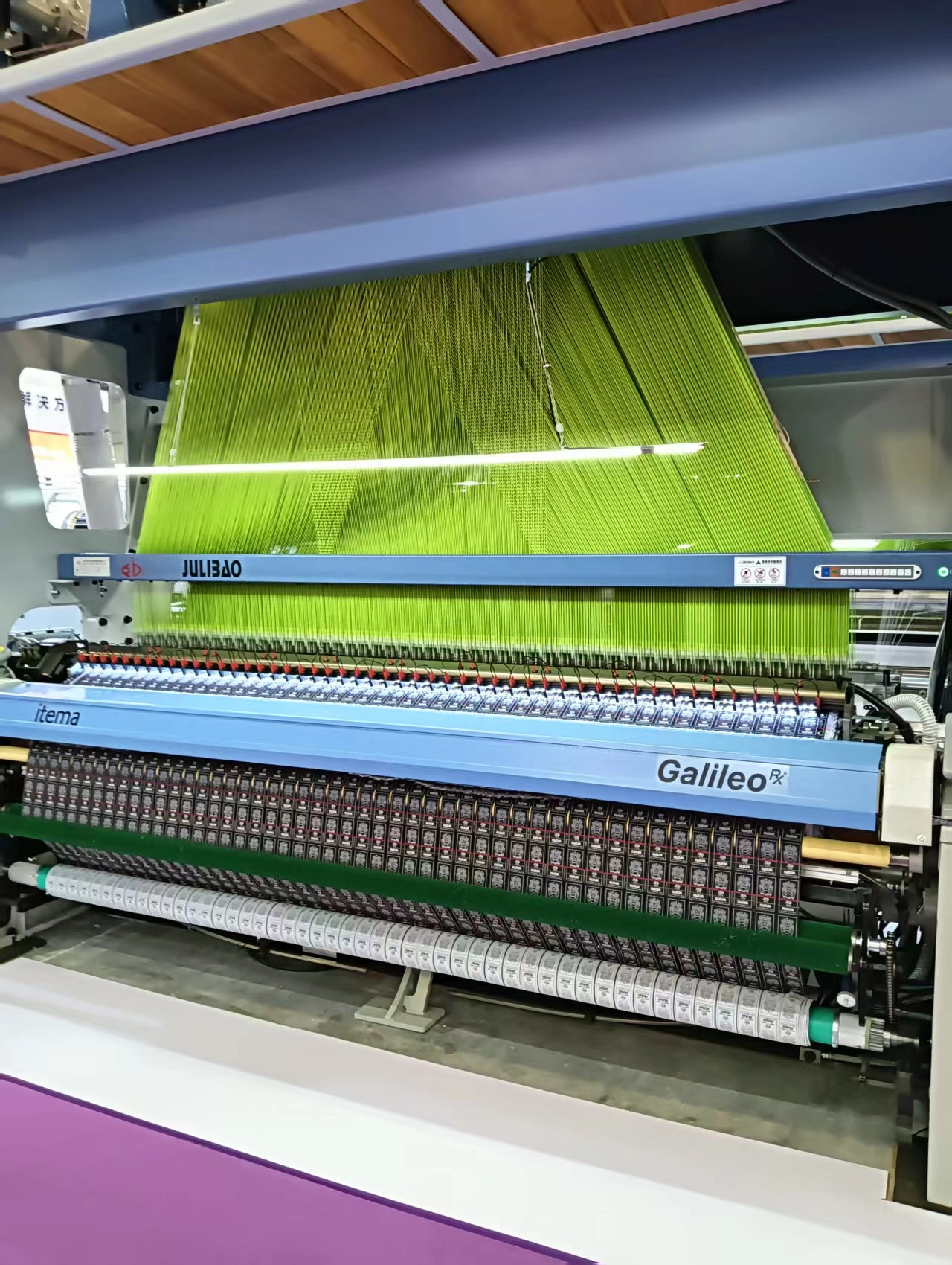
A Large Weaving Joint-Stock Company in East China · Air-Jet Weaving + Shop-Floor Textile MES Coordination
The standard (public cloud) edition of textile MES was deployed, covering the typical nodes of the air-jet workshop from work order release to quality traceability, with PDA scan-based work reporting, process routing sheets and piece-rate calculation templates, automatically converging with warp breakage detection events.
Customer information is displayed in anonymized form with authorization. All performance figures are joint conclusions from typical-scenario estimates and Zhisuo Zhikong's internal simulation validation; actual deployment results vary with on-site operating conditions, organizational process maturity and data collection discipline, and do not constitute commercial commitment terms (actual terms are subject to contract provisions and acceptance criteria).
Dyeing and Finishing Industry · Printing, Dyeing and Finishing Scenarios
Dyeing and finishing scenarios focus on recipe traceability, batch energy consumption, process parameter replication and production-changeover pacing. Below is an anonymized summary of a representative customer pilot.
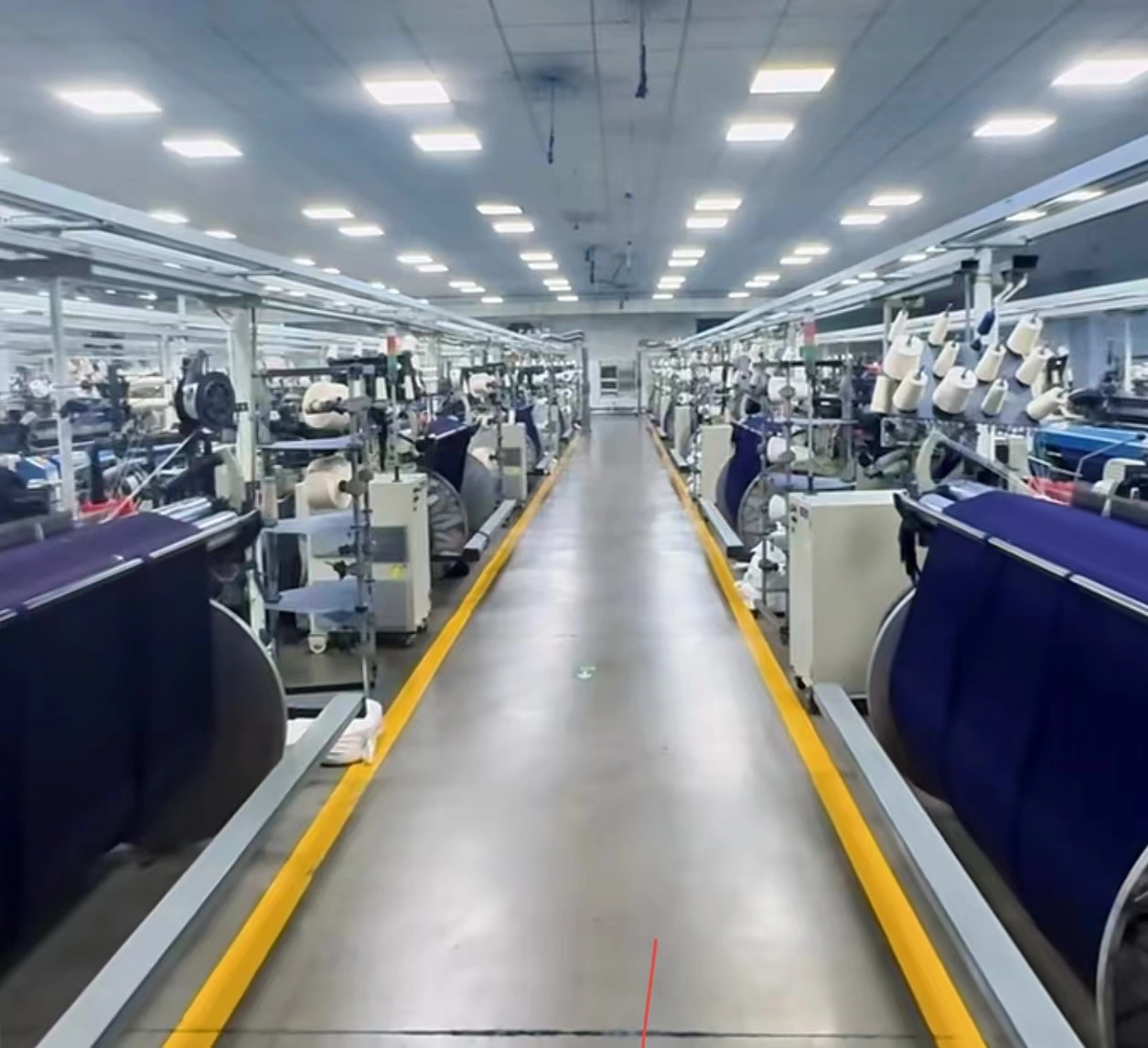
A Home Textile Dyeing and Finishing Co., Ltd. in East China · Digitalization of the Dyeing and Finishing Workshop with MES
Using the private-cloud edition of textile MES, batches and process parameters were accumulated across typical dyeing and finishing processes such as pre-treatment, dyeing and heat setting; MES dashboards summarize daily energy consumption and pass rates to support workshop management decisions.
Customer information is displayed in anonymized form with authorization. All performance figures are joint conclusions from typical-scenario estimates and Zhisuo Zhikong's internal simulation validation; actual deployment results vary with on-site operating conditions, organizational process maturity and data collection discipline, and do not constitute commercial commitment terms (actual terms are subject to contract provisions and acceptance criteria).
Plastic Woven Packaging and FIBC · PP FIBC Manufacturing Scenarios
PP FIBC scenarios cover six typical processes — tape drawing, circular weaving, lamination/coating, color printing, cutting and sewing — with piece-rate and routing adaptation. Below is a summary of a representative piece-rate digitalization project.
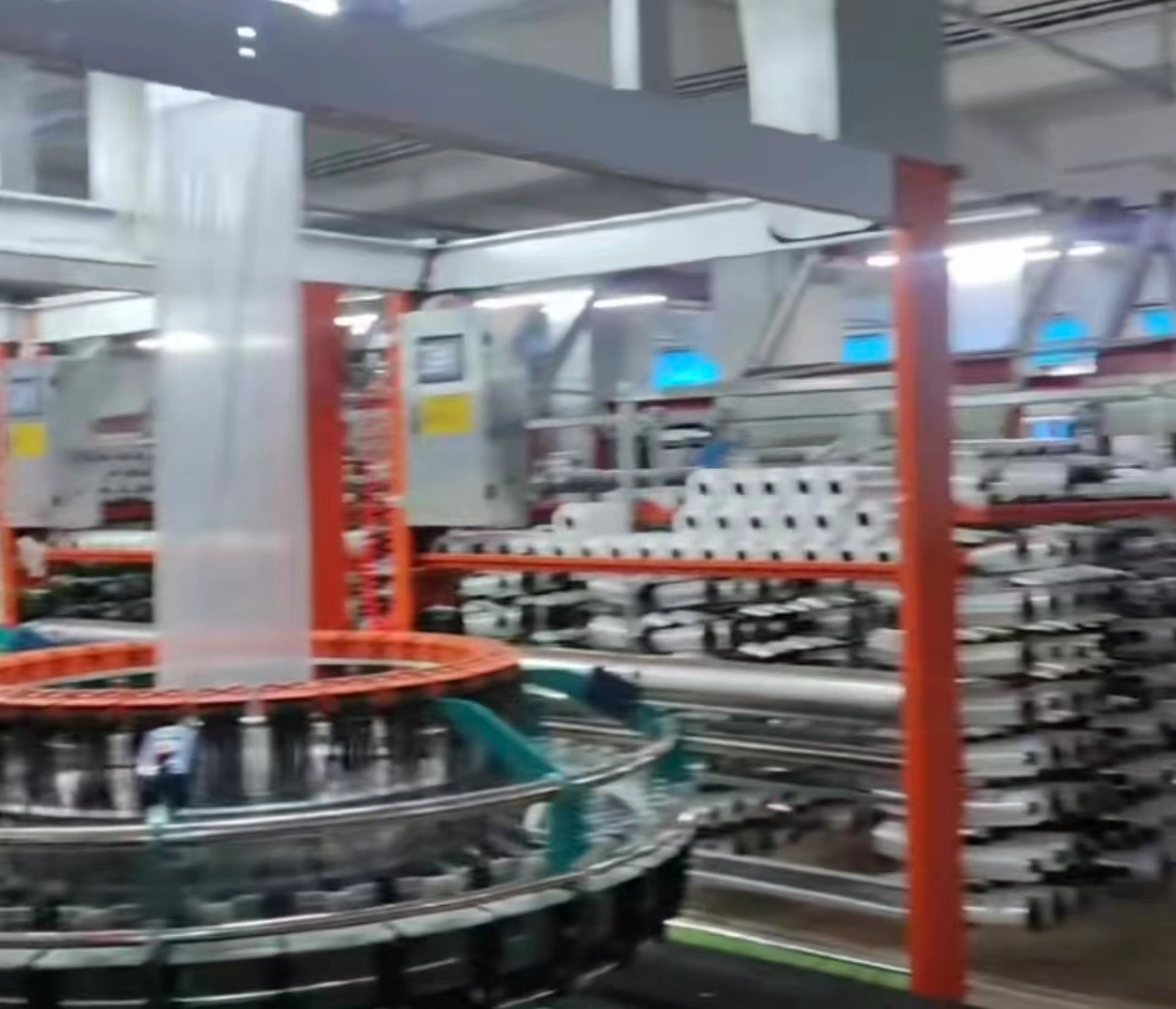
A Large Plastic Woven Packaging Group in North China · Piece-Rate Digitalization Across Six Processes + Batch Traceability
The PP FIBC MES went live with piece-rate rule templates for the six typical processes from tape drawing to sewing, and on-site PDA scan-based work reporting. Batch barcodes enable batch-level traceability queries from raw materials to finished goods shipment.
Customer information is displayed in anonymized form with authorization. All performance figures are joint conclusions from typical-scenario estimates and Zhisuo Zhikong's internal simulation validation; actual deployment results vary with on-site operating conditions, organizational process maturity and data collection discipline, and do not constitute commercial commitment terms (actual terms are subject to contract provisions and acceptance criteria).
Control Board Manufacturing · Outgoing Inspection and SN Traceability Scenarios
The Station-Test system addresses the hardware outgoing stage with ten inspection items, permanent five-state SN locking and one-code traceability. Below is an anonymized summary of a representative control board manufacturing customer.
An Electronic Control Board Plant in East China · Deployment of the Zhisuo Station-Test Workstation Inspection System and SN Traceability
The Zhisuo Station-Test workstation inspection system and traceability system were introduced to achieve one-click pass/fail judgment across ten inspection items, permanent five-state SN locking and one-code full-lifecycle traceability for production-line control boards, forming a QR-scan closed loop across the four stages of outgoing inspection, shipment, on-site installation and maintenance.
Customer information is displayed in anonymized form with authorization. All performance figures are joint conclusions from typical-scenario estimates and Zhisuo Zhikong's internal simulation validation; actual deployment results vary with on-site operating conditions, organizational process maturity and data collection discipline, and do not constitute commercial commitment terms (actual terms are subject to contract provisions and acceptance criteria).
* This page contains 2+1+1+1=5 case cards in total (grouped by industry h2 headings: 2 weaving, 1 dyeing & finishing, 1 plastic woven, 1 control-board manufacturing; cotton-spinning and apparel cases will be added after desensitization). All customer identities are anonymized under authorization. All performance figures follow the “typical-scenario estimate + internal simulation” basis and do not constitute binding commercial guarantees.